Dream Kids Font for Creative Design
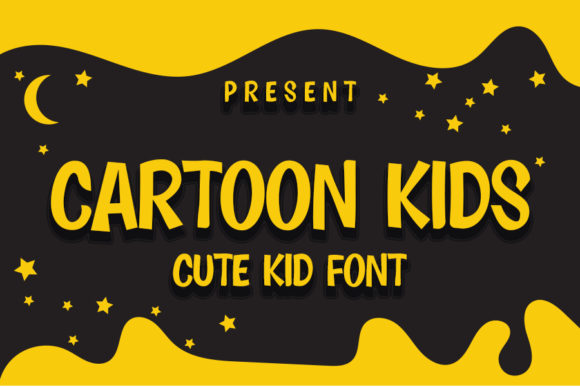
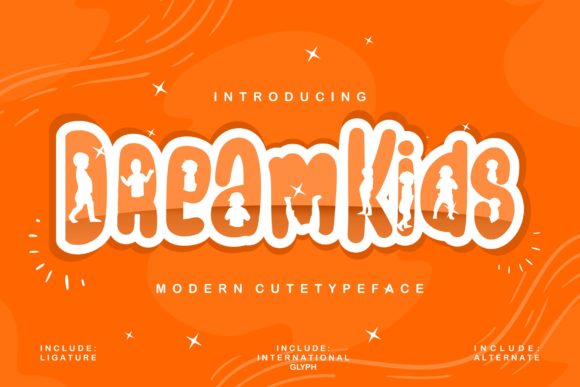
Dream Kids is a chunky lettered display font that brings a sense of warmth and playfulness to any editorial project. Its bold, rounded shapes and friendly curves make it ideal for engaging young audiences while maintaining a clean, professional look. Whether you're designing a children's book, a school publication, or a creative blog, Dream Kids adds a touch of personality without sacrificing clarity.
The font’s visual characteristics are both approachable and versatile. Each letter is carefully crafted with soft edges and generous spacing, making it easy to read even at smaller sizes. This makes Dream Kids suitable for a wide range of applications, from headings and titles to graphic elements and branding materials. Its design balances whimsy with structure, allowing it to fit seamlessly into modern editorial layouts while standing out as a unique typeface.
Using Dream Kids in Editorial Design
In editorial design, Dream Kids excels as a headline font. Its boldness draws attention, making it perfect for blog headers, magazine covers, and ebook titles. When used in these contexts, the font enhances visual hierarchy, guiding readers through content with clear, impactful typography. For example, a lifestyle blog might use Dream Kids for post titles to create a cohesive, inviting aesthetic that aligns with its brand voice.
For magazine covers, Dream Kids can serve as a focal point, adding a playful yet sophisticated tone. It works well alongside other design elements like illustrations, photographs, or color blocks to create a dynamic composition. In an educational or parenting publication, this font can help reinforce a theme of creativity and learning, making the content more relatable to its target audience.
Enhancing Reader Engagement with Dream Kids
Dream Kids is particularly effective in creating engaging quote graphics and pull quotes. Its friendly style makes it ideal for highlighting key messages or inspiring statements within articles, newsletters, or social media posts. When paired with a contrasting background or text color, the font stands out without overwhelming the reader.
For printable guides and worksheets, Dream Kids offers a welcoming visual tone that encourages interaction. A recipe ebook, for instance, could use the font for chapter headings and section titles, reinforcing a warm, approachable brand identity. Similarly, a digital planner or worksheet might benefit from its readability and charm, making the content more enjoyable to use.
Supporting Brand Identity and Visual Consistency
When used consistently across a publication, Dream Kids helps establish a strong brand identity. It provides a recognizable visual signature that reinforces the tone and purpose of the content. For a coaching workbook or a wedding guide, this consistency builds trust and familiarity with the audience.
The font also supports visual hierarchy by distinguishing headlines from body text. While it’s not recommended for long paragraphs due to its decorative nature, it shines when used for titles, subheadings, and accent elements. This makes it a valuable asset for designers looking to balance creativity with functionality.
Practical Applications for Different Projects
A creative newsletter might use Dream Kids for its subject line or header, drawing readers in with its bold, friendly style. In a digital magazine, the font could appear on cover pages, section dividers, or featured article titles, helping to break up dense content and add visual interest.
For a printable planner or worksheet, Dream Kids adds a personal, handcrafted feel that enhances user experience. It can be used for title bars, labels, or instructional text, making the content more engaging and easier to navigate. In a coaching or self-help context, the font’s warmth can help create a supportive, encouraging atmosphere.
Readability and Cross-Platform Considerations
Dream Kids maintains legibility across various formats, including screen reading, PDF exports, mobile layouts, and print. Its clear letterforms ensure that it remains readable even at smaller sizes, making it suitable for a wide range of publishing needs. When used in digital formats, the font retains its character without appearing distorted or unclear.
For print projects, Dream Kids delivers a crisp, professional appearance that complements other design elements. Its boldness ensures that it stands out on physical pages, making it ideal for brochures, flyers, and promotional materials. In web design, it can be used effectively for headings and buttons, enhancing the overall user experience.
Font Pairing and Design Assets
Pairing Dream Kids with a readable serif or sans serif font can create a balanced, professional look. A serif font like Georgia or Merriweather works well for body text, providing contrast while maintaining readability. A clean sans serif like Lato or Open Sans can serve as a complementary choice for captions, navigation, or secondary text.
When selecting a font pairing, consider the tone and purpose of the publication. For a more traditional or elegant look, a serif font may be preferable. For a modern, minimalistic design, a sans serif could offer a cleaner alternative. Dream Kids adapts well to both approaches, offering flexibility for different editorial styles.
Before using Dream Kids, check the available styles, alternates, and ligatures to ensure it meets your design needs. Some fonts include additional characters or variations that can enhance their usability. Also, verify multilingual support if the project involves content in multiple languages.
Commercial Licensing and Usage
Dream Kids is available under a commercial license, making it suitable for a variety of publishing and design projects. It can be used in ebooks, templates, printables, paid newsletters, client publications, and digital downloads. Always review the licensing terms to ensure compliance with your specific use case.
For independent content creators and publishers, Dream Kids offers a premium font option that elevates the visual quality of their work. Its combination of charm and clarity makes it a valuable addition to any design toolkit, supporting both creative expression and professional standards.