Ababylo: A Playful Display Font
There’s a moment in the design process when everything clicks. It could be the first time you see a headline in a new typeface, or when a layout feels just right. For many editors and designers, that moment often comes with choosing the right font. Ababylo is one such font that brings a sense of joy and creativity to any project.
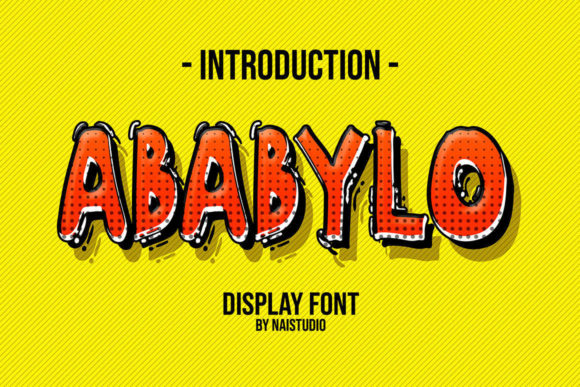
As a display font, Ababylo stands out for its unique character and playful energy. It doesn’t shout, but it does catch the eye. The font has a soft rhythm, with subtle curves and a friendly structure that makes it feel approachable yet distinctive. Whether used in a blog header or a magazine cover, Ababylo adds a touch of personality without overwhelming the design.
The Visual Character of Ababylo
Ababylo is not a traditional serif or sans serif. It sits somewhere between the two, offering a modern yet whimsical look. Its letterforms have a gentle flow, with slight variations in weight that give it a handcrafted feel. This makes it ideal for projects that want to convey warmth, creativity, or a sense of individuality.
The font also has a strong visual presence. Its bold strokes and open counters make it highly legible at larger sizes, which is essential for headlines, titles, and decorative elements. However, its expressive nature means it may not be the best choice for body text or long paragraphs. That said, when used appropriately, Ababylo can elevate the entire editorial mood of a publication.
Real-World Applications of Ababylo
Consider a lifestyle blog redesign. The goal is to create a fresh, inviting look that reflects the brand’s personality. Ababylo could be used for the blog’s main title, giving it a sense of fun and creativity. It might also appear in pull quotes, section headers, or as a decorative element in a newsletter graphic.
In a recipe ebook, Ababylo could serve as the title font, adding a touch of elegance and playfulness. It might also be used for chapter openers, making each section feel like a new adventure. For a wedding guide, the font could add a personal, heartfelt touch to headings and captions, helping to set the tone for the content.
For a coaching workbook or printable planner, Ababylo could be used in headers and key phrases, reinforcing the motivational message of the content. In a digital magazine layout, it might appear in feature titles or as part of a branded design element, helping to create a cohesive identity across multiple pages.
Readability and Practical Considerations
While Ababylo is highly readable at larger sizes, it’s important to consider how it will appear in different formats. On screens, especially mobile devices, the font should be used sparingly and at a size that ensures clarity. When exporting to PDF or print, the font’s details remain sharp and clean, making it suitable for high-quality materials.
For long-form content, Ababylo is best reserved for titles, subtitles, and other short bursts of text. Using it for body copy could lead to readability issues, especially in dense layouts. If the goal is to maintain a professional tone, pairing Ababylo with a more traditional serif or sans serif font can help balance the design while maintaining visual interest.
Font Pairing and Editorial Design
When working with a display font like Ababylo, thoughtful pairing is essential. A classic serif font, such as Georgia or Cinzel, can provide a strong contrast that enhances readability. Alternatively, a clean sans serif like Lato or Montserrat can offer a modern, minimalist counterbalance.
For editorial design, this kind of pairing helps establish a clear visual hierarchy. Ababylo can be used for headlines and accents, while the paired font handles body text and captions. This approach maintains a consistent design language while ensuring that the content remains accessible and engaging.
Final Thoughts on Ababylo
Ababylo is more than just a font—it’s a tool for storytelling. Its playful yet refined style makes it a valuable addition to any designer’s toolkit, especially for projects that require a personal, creative touch. Whether used in a blog header, a recipe ebook, or a wedding guide, Ababylo has the potential to transform the way content is presented and experienced.
Before using Ababylo in a published project, it’s wise to check the available styles, ligatures, and multilingual support. Ensuring compatibility with different platforms and file formats is crucial, especially for commercial use. With proper consideration, Ababylo can become a powerful asset in shaping the visual identity of a publication.